How to Keep a Loved One with Dementia Safe at Home
Room-by-room steps to prevent falls, wandering, and the most common in-home hazards.
Reviewed by a HōttoCare home safety specialist
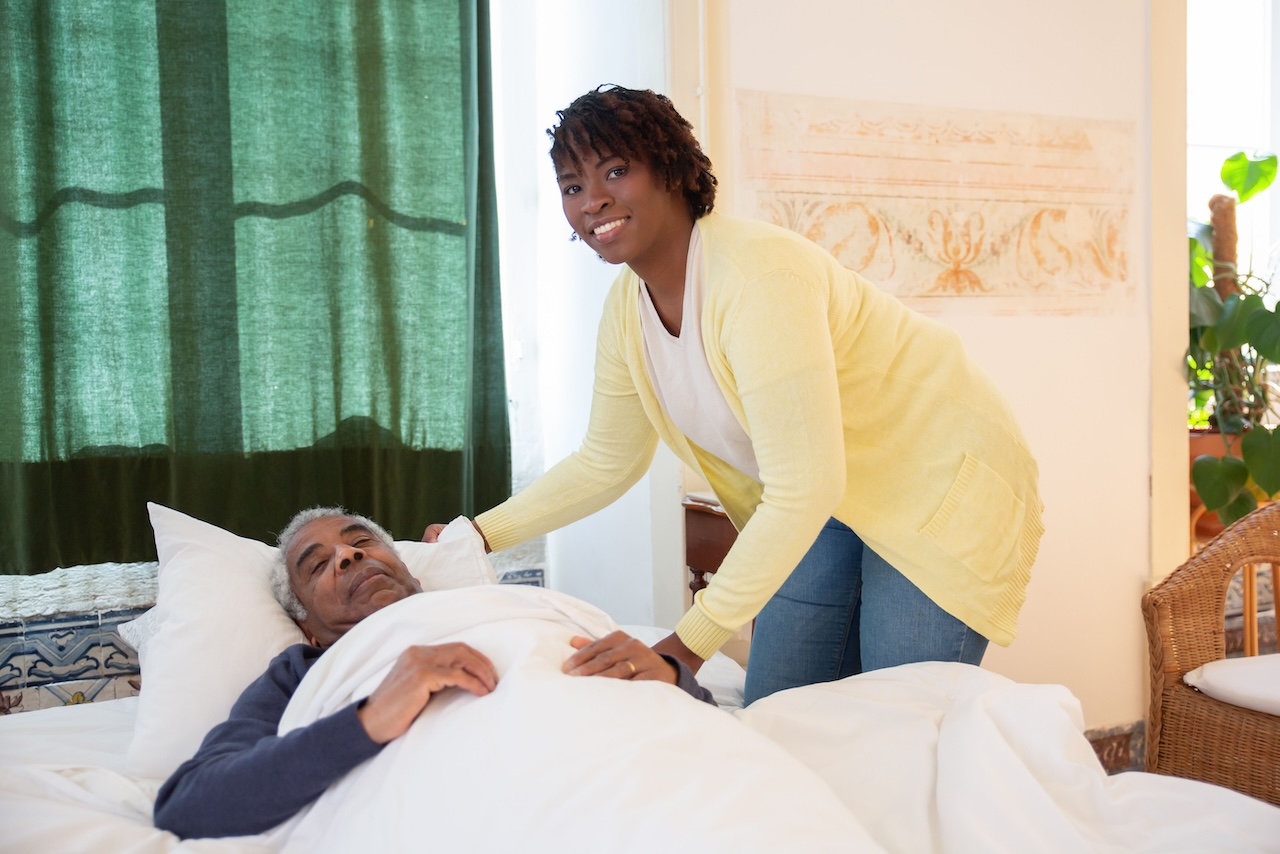
Keeping someone with dementia safe at home is not about turning the house into a hospital. The goal is dignity, independence, and removing the small hazards that cause most falls, wanderings, and emergencies — without making your loved one feel like they are being managed.
The single best home safety changes are usually small, inexpensive, and almost invisible to the person who lives there. This guide walks through them, room by room, in roughly the order most families address them.
A few principles before you start
- Change one thing at a time when possible — too many changes at once can be disorienting.
- Preserve familiar layouts. Moving furniture can cause more falls than it prevents.
- Aim for invisible safety: solutions your loved one doesn't have to think about.
- Loop your loved one in whenever you can. People comply better with changes they helped choose.
Kitchen
The kitchen tends to be the highest-risk room in the house, mostly because of the stove and the assumption that long-learned skills are still safe to use.
- Install an automatic stove shut-off device — one of the highest-leverage purchases in the entire home
- Remove or lock away cleaning supplies that resemble food or drink
- Use clear, labeled containers for everyday items so identification doesn't depend on memory
- Keep the most-used items at waist height to reduce reaching and bending
- Consider unplugging or removing small appliances that are no longer used safely
Bathroom
Bathrooms cause an outsized share of falls. Most are preventable with a few well-placed adjustments.
- Add grab bars by the toilet and inside the shower (not towel bars — they're not built to hold weight)
- Use non-slip mats in the tub and on bathroom floors
- Set the water heater no higher than 120°F to prevent scalding
- Remove door locks that can trap someone inside the bathroom
- Use a shower chair if standing for the full shower has become tiring
Bedroom and hallways
Most nighttime falls happen between the bed and the bathroom. A few simple changes can almost eliminate them.
- Use motion-activated nightlights along the bed-to-bathroom path
- Remove throw rugs and tape down loose edges of larger rugs
- Move electrical cords out of walking paths
- Keep a clear, uncluttered path from the bed to the bathroom door
- Consider a bedside commode if nighttime trips have become risky
Wandering prevention
About 60% of people with dementia wander at some point. Plan for it before it happens, not after.
- Install door alarms or chimes on exterior doors
- Place deadbolts higher or lower than typical eye level (they are less likely to be noticed)
- Have your loved one carry ID — a bracelet, a card, or a tracking device
- Notify trusted neighbors so they know what to do if they see your loved one outside alone
- Keep a recent photo and a short description of typical clothing easily accessible
- Register with local Alzheimer's wandering programs if available in your area
If wandering has already happened once, treat it as the data point it is — not as a one-time event. The second incident is usually faster and farther than the first.
Medication safety
Medication errors are one of the most common causes of avoidable hospital visits for people with dementia.
- Use a locked pill organizer or a pharmacy that pre-sorts doses by day and time
- Keep an up-to-date medication list on the fridge for emergencies
- Consider a daily medication reminder service or smart dispenser
- Review medications with the prescribing doctor at least once a year for any that can be safely reduced
Fire safety and emergencies
- Check smoke and carbon monoxide detectors twice a year
- Keep a small fire extinguisher in the kitchen, where most home fires start
- Post emergency numbers and your loved one's full address on the fridge
- Practice the evacuation route — and consider what your loved one can realistically do in a crisis
Outside the home
- Install motion-activated outdoor lighting on entry paths
- Repair uneven walkways, steps, and loose railings
- Add traction strips to outdoor stairs that get wet
- Trim plants that obscure paths or hide drop-offs
When the home needs more than home changes
Home modifications can do a lot, but they can't replace human presence. If your loved one is alone for long stretches and the safety changes still feel insufficient, a few hours of in-home support can bridge the gap — without uprooting them from the place they want to be.
Many families also benefit from a home safety assessment through a care navigator, who can walk through the house — in person or virtually — and prioritize what to address first based on your loved one's specific stage and patterns.
“We didn't need a new house. We needed twelve small changes to the one we already had.”
If you'd like help thinking through home safety for your specific situation, HōttoCare may be able to help.
Keep reading

What to Do After a Dementia Diagnosis: A Step-by-Step Guide for Families

Questions Every Family Should Ask After a Dementia Diagnosis
How Families Can Access Free Dementia Caregiver Support