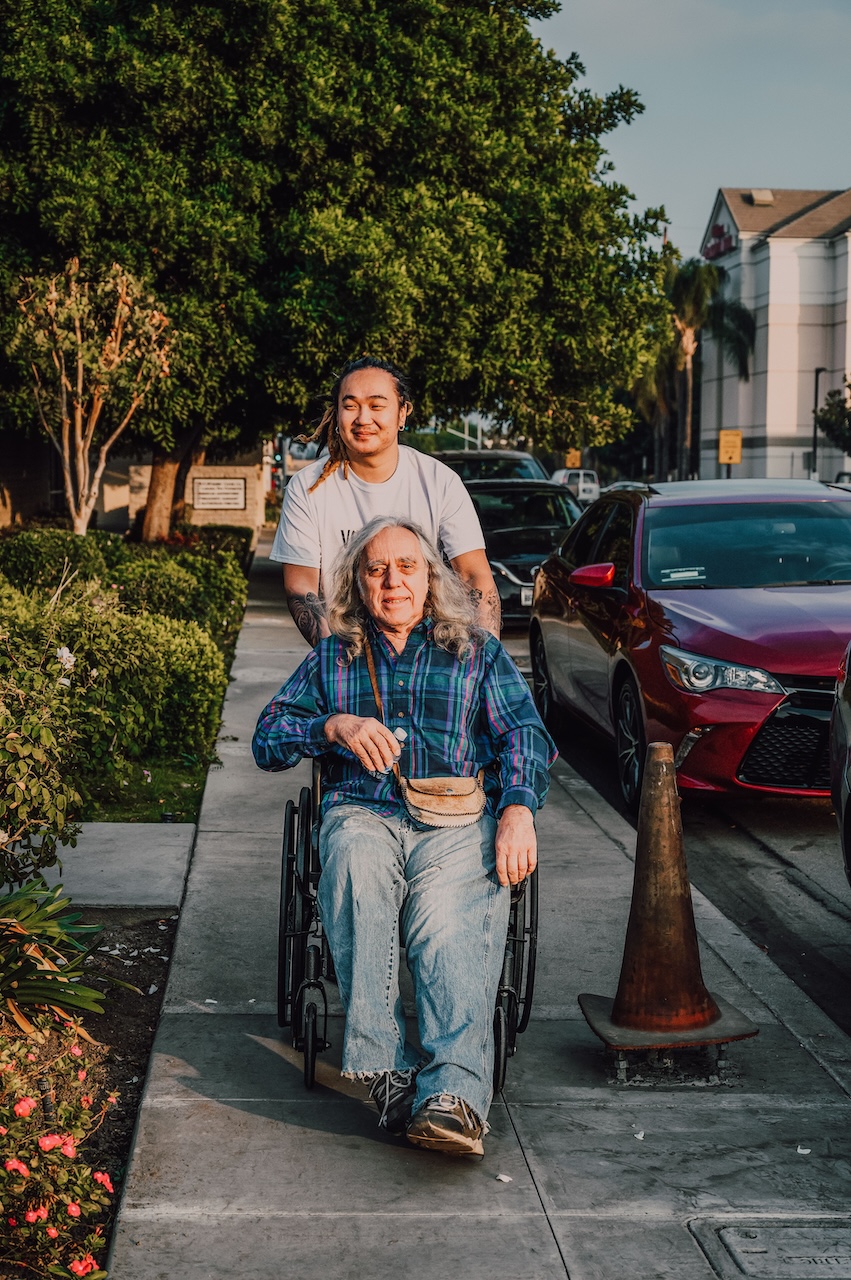
Dementia Caregiver Support Groups: Why Connecting with Other Caregivers Matters
How dementia caregiver support groups reduce isolation, provide practical advice, and help families feel less alone.
Informed by HōttoCare's peer group facilitators

If you are caring for someone with dementia, you already know one of the hardest parts isn't in any pamphlet. It's the loneliness. The friends who don't quite know what to say. The family members who help less than you expected. The quiet evenings when the person you used to talk to about everything is sitting right next to you — and the conversation has changed forever.
That kind of isolation is exactly what dementia caregiver support groups are built to interrupt. They are not therapy. They are not a class. They are a room — sometimes in person, sometimes on a screen — full of people who don't need anything explained to them. And for many families, joining one is the single most relieving thing they do all year.
What a dementia caregiver support group actually is
At its simplest, a support group is a small gathering of people who are caring for someone with dementia. A trained facilitator usually guides the conversation, but the experts in the room are the caregivers themselves.
Groups vary in style. Some are open and conversational. Some focus on a topic each month — like managing behaviors, handling family conflict, or preparing for the next stage. Some are for spouses only, or adult children only, or for caregivers in a specific language or cultural community. There is no single "right" format. There is only the one that fits your life.
Common formats
- Weekly or monthly meetings, in person or by video
- Drop-in groups for caregivers at any stage
- Closed groups that meet over a set number of weeks with the same people
- Topic-specific groups (early-stage, late-stage, working caregivers, long-distance caregivers)
- Language- or culturally-specific groups
Why peer support changes things
Caregivers often arrive at their first group expecting to be a little embarrassed or out of place. They almost always leave saying the same thing: "I had no idea there were so many people going through this too."
You stop translating
Outside the group, you spend a lot of energy explaining — what dementia is, why your loved one repeated themselves, why you can't just "get a break." Inside the group, no one needs the backstory. You can skip the translation and get straight to the part that actually matters.
You get practical advice that works in real homes
Books and clinicians offer guidance, but other caregivers offer tactics. How to handle sundowning when you're the only adult in the house. What to actually say at a doctor's appointment. How to ask a sibling for help without setting off a fight. These are the things that make Tuesday afternoon survivable.
You feel less ashamed of being tired
Caregiver burnout often hides behind a polite smile. In a support group, it doesn't have to. Hearing another caregiver name the exhaustion, the resentment, or the grief out loud gives you permission to admit yours too — and that admission is often the first step out of caregiver burnout.
“I cried the entire first meeting. The second meeting, I laughed for the first time in months.”
What support groups are not
They are not group therapy, and you do not need a diagnosis to attend. They are not a place where you'll be judged for how you're handling things. They are not a sales pitch, and the good ones never pressure you to share more than you want to.
You can sit in your first meeting and say almost nothing. Many people do. Listening is enough.
Who benefits most
Support groups help nearly every caregiver who tries them, but a few situations make them especially powerful:
- Spouses who have lost their primary conversation partner to the disease
- Adult children balancing caregiving with work and their own families
- Caregivers in rural areas or small towns with few local resources
- Families newly facing a diagnosis who don't yet know what to expect
- Caregivers who have been doing this alone for more than six months
How to find a group that fits
There are more dementia caregiver support groups available than most families realize, and many are free. A few good places to look:
- HōttoCare's Peer Support Groups — facilitated by experienced dementia care professionals
- Your local Area Agency on Aging or county dementia services office
- The Alzheimer's Association's national and local chapter groups
- Hospital-based caregiver programs at major medical centers
- Faith communities and cultural organizations in your area
If the first group you try doesn't feel like the right fit, try another. Groups have personalities the way families do. Most caregivers find the right one within their first two or three tries.
Where support groups fit alongside other help
A support group is not a replacement for medical care, professional caregiver coaching, or programs like the GUIDE Program. It works best when it sits alongside them. The group gives you community. A care navigator gives you coordination. Education programs give you tools. Together, they form the kind of support system caregivers need before a crisis happens, not after.
If you'd like help finding a peer group that fits your family — and seeing whether you qualify for the rest of HōttoCare's caregiver support — you can see if you qualify in about 10 minutes.
Keep reading
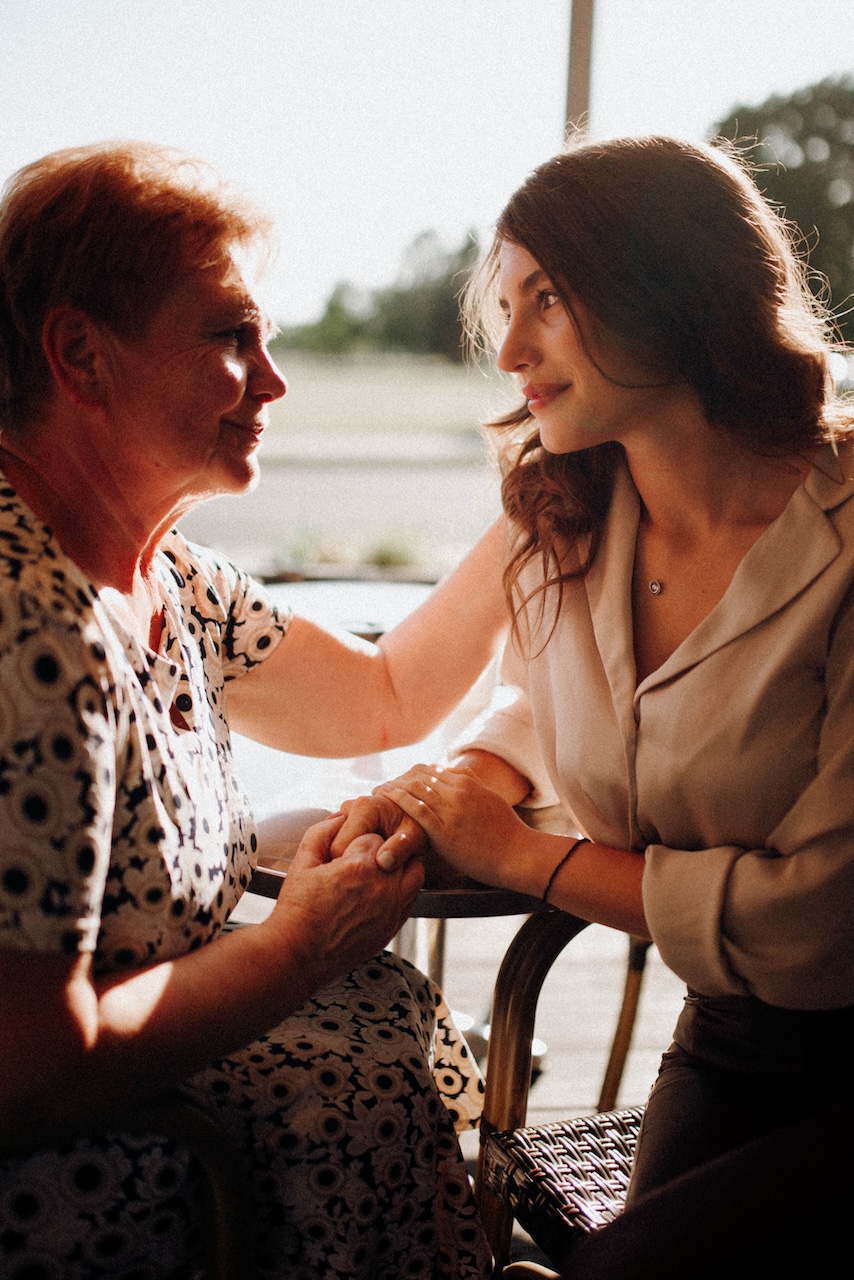
Why Caregivers Need Support Before a Crisis Happens
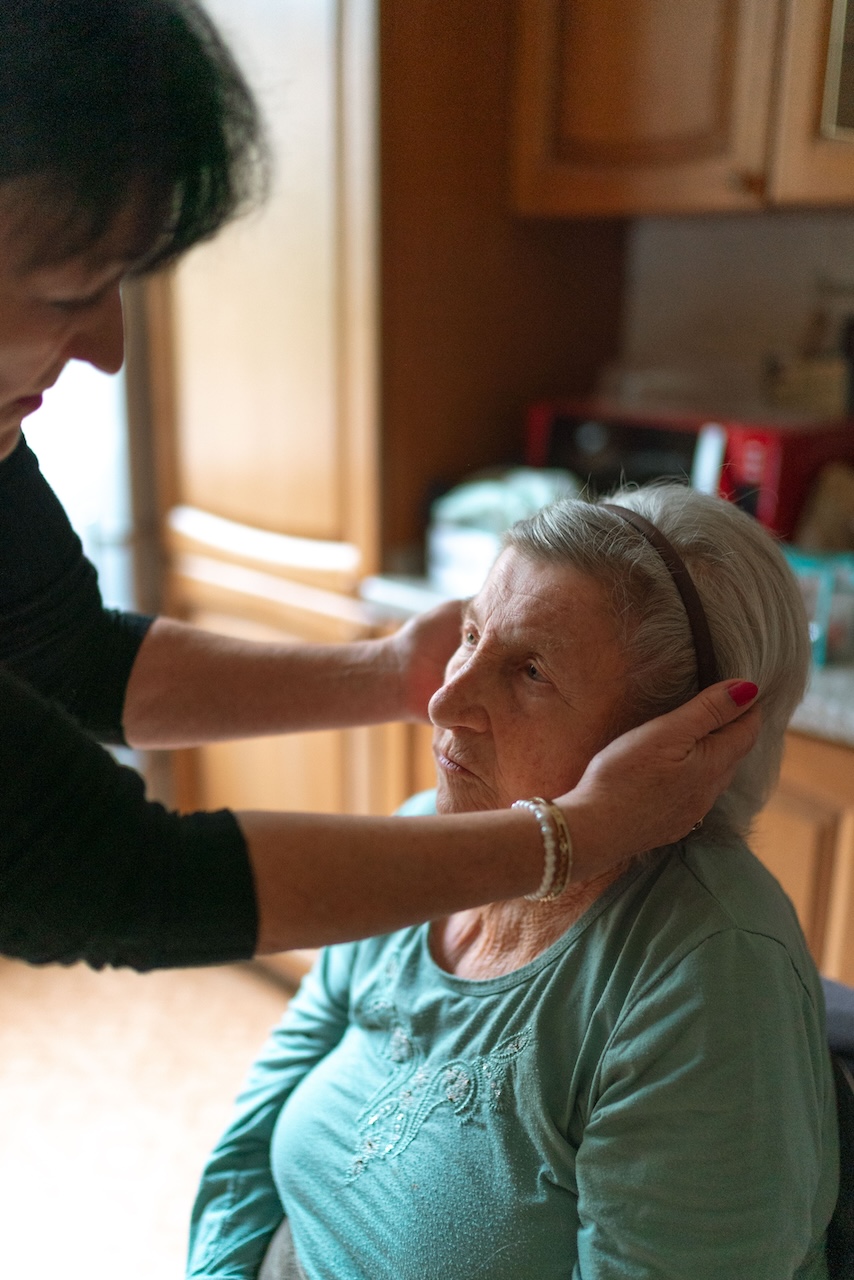
Dementia Caregiver Burnout: Signs, Symptoms, and What to Do Next
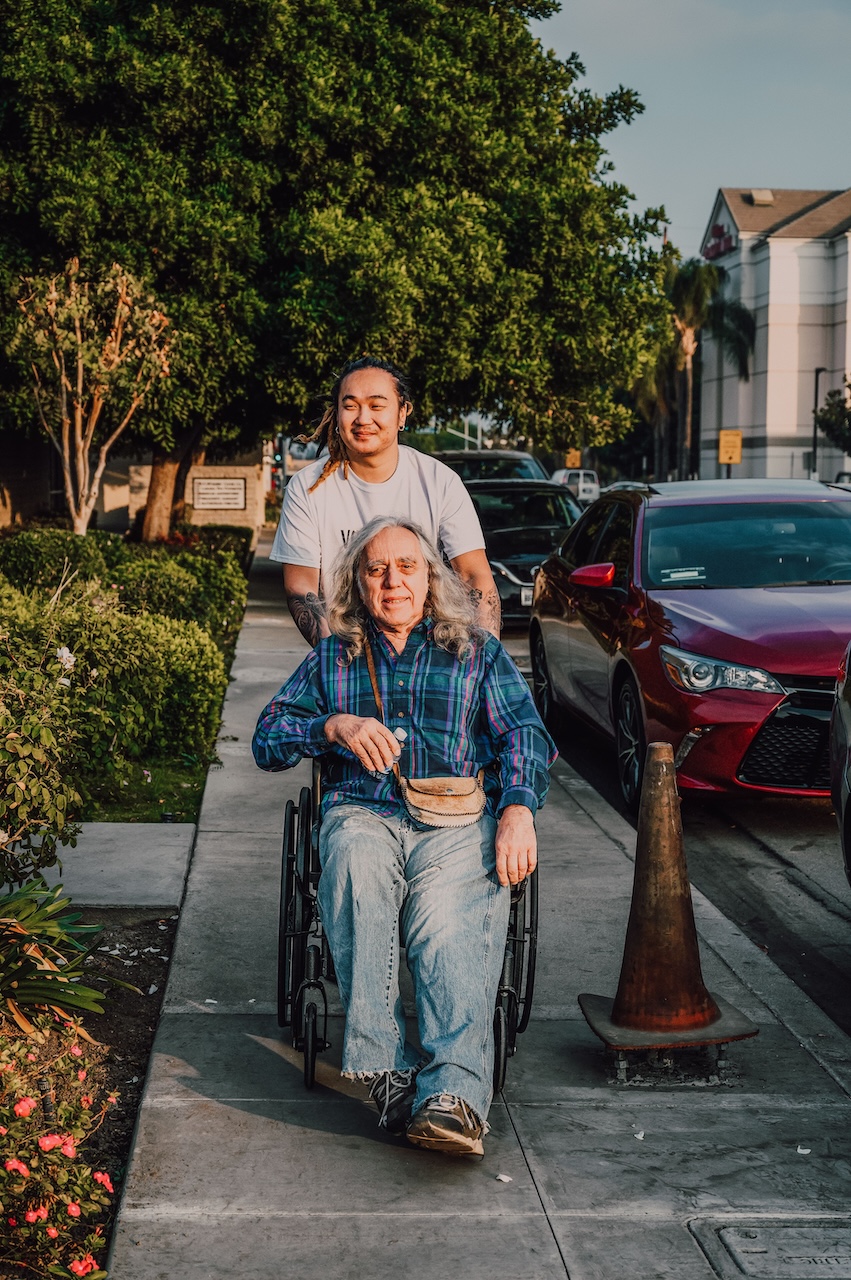
How Families Can Access Free Dementia Caregiver Support